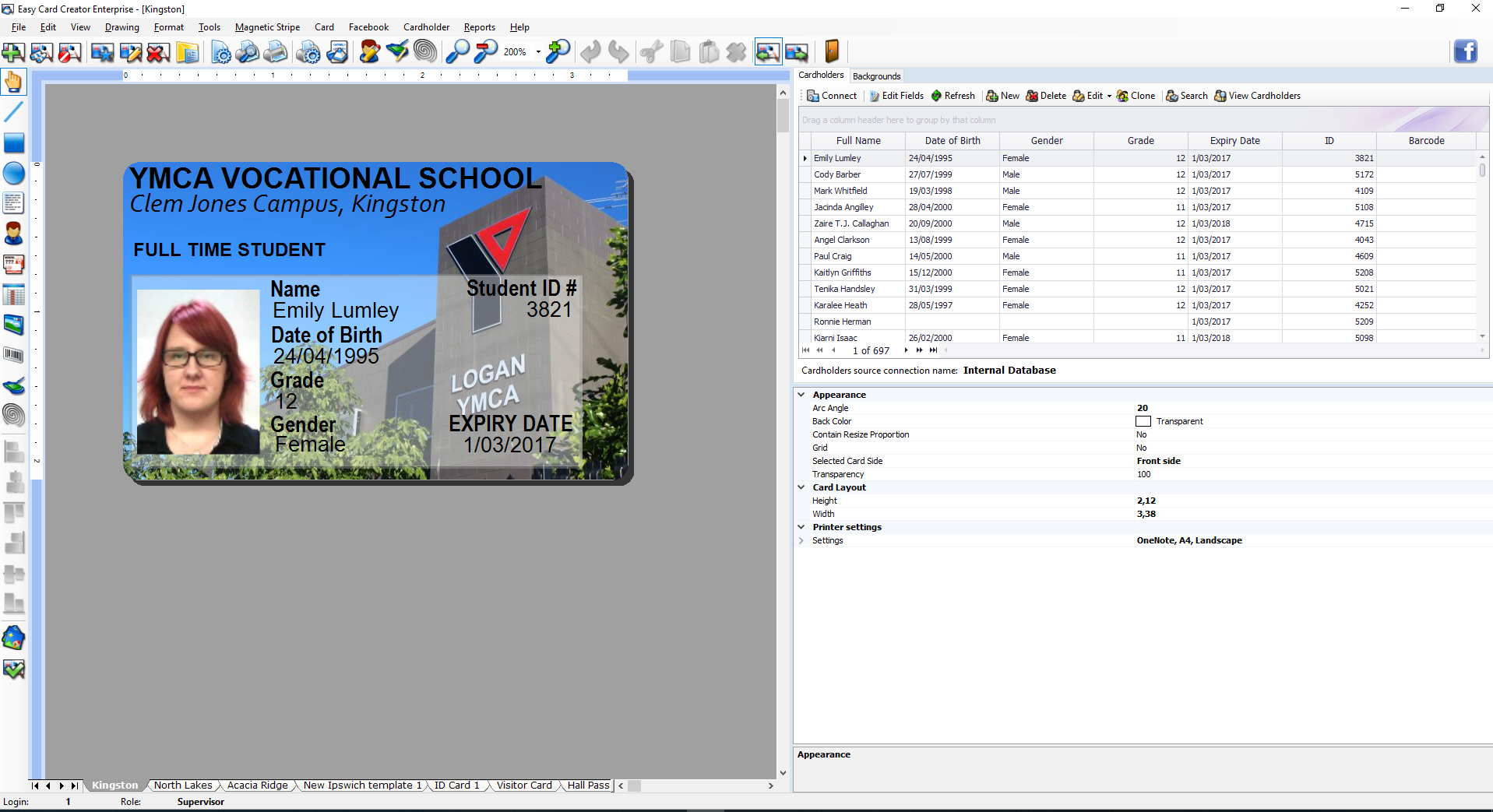
Described as the most versatile identity card design software available, our Photo ID solutions provide refreshingly advanced yet simple to work with graphical user interfaces.
If you are looking for ideal and affordable solution for you or your organization then this is the right place.
Easy Card Creator Features
Design Features
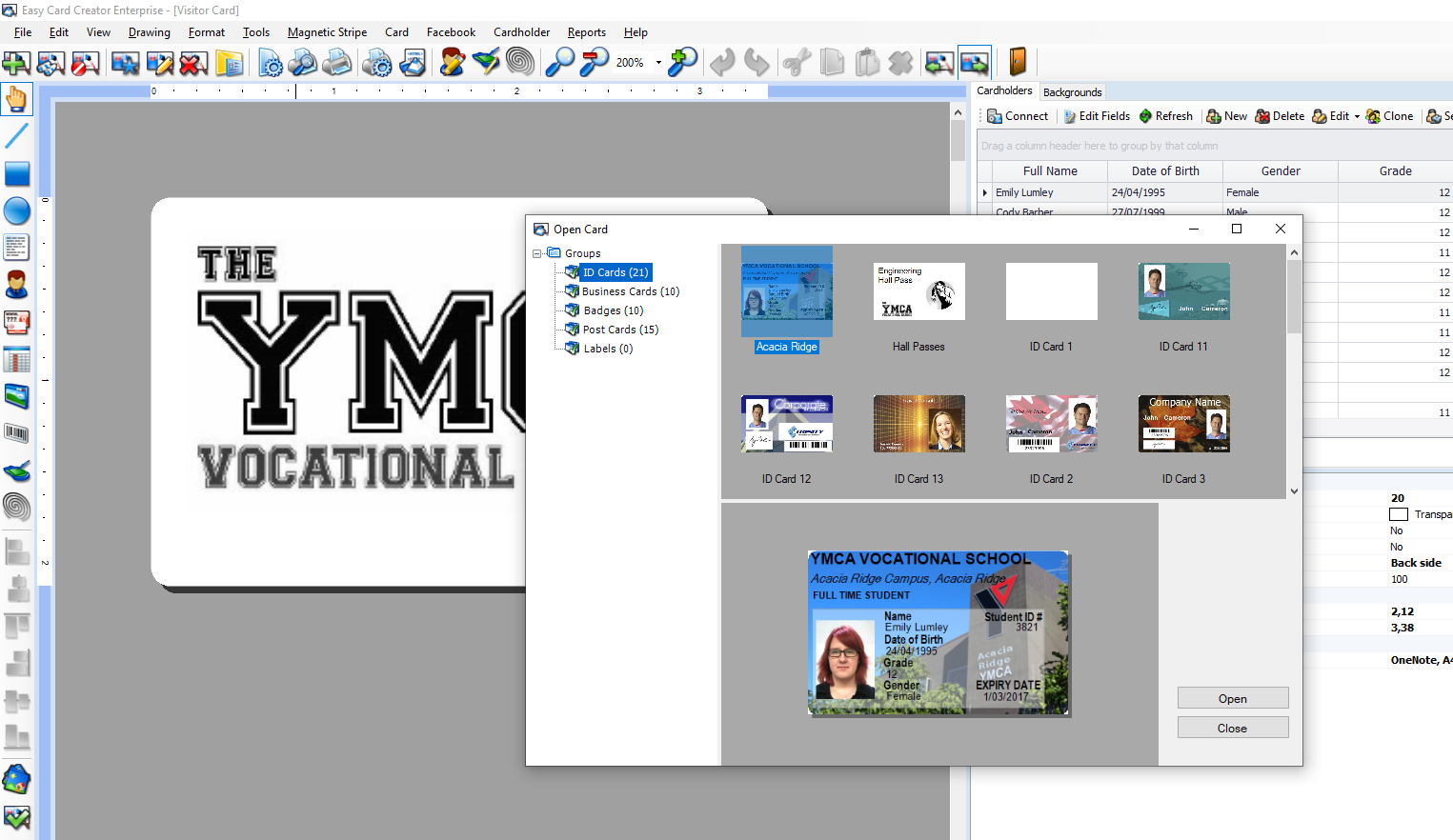
Predefined Card Sizes
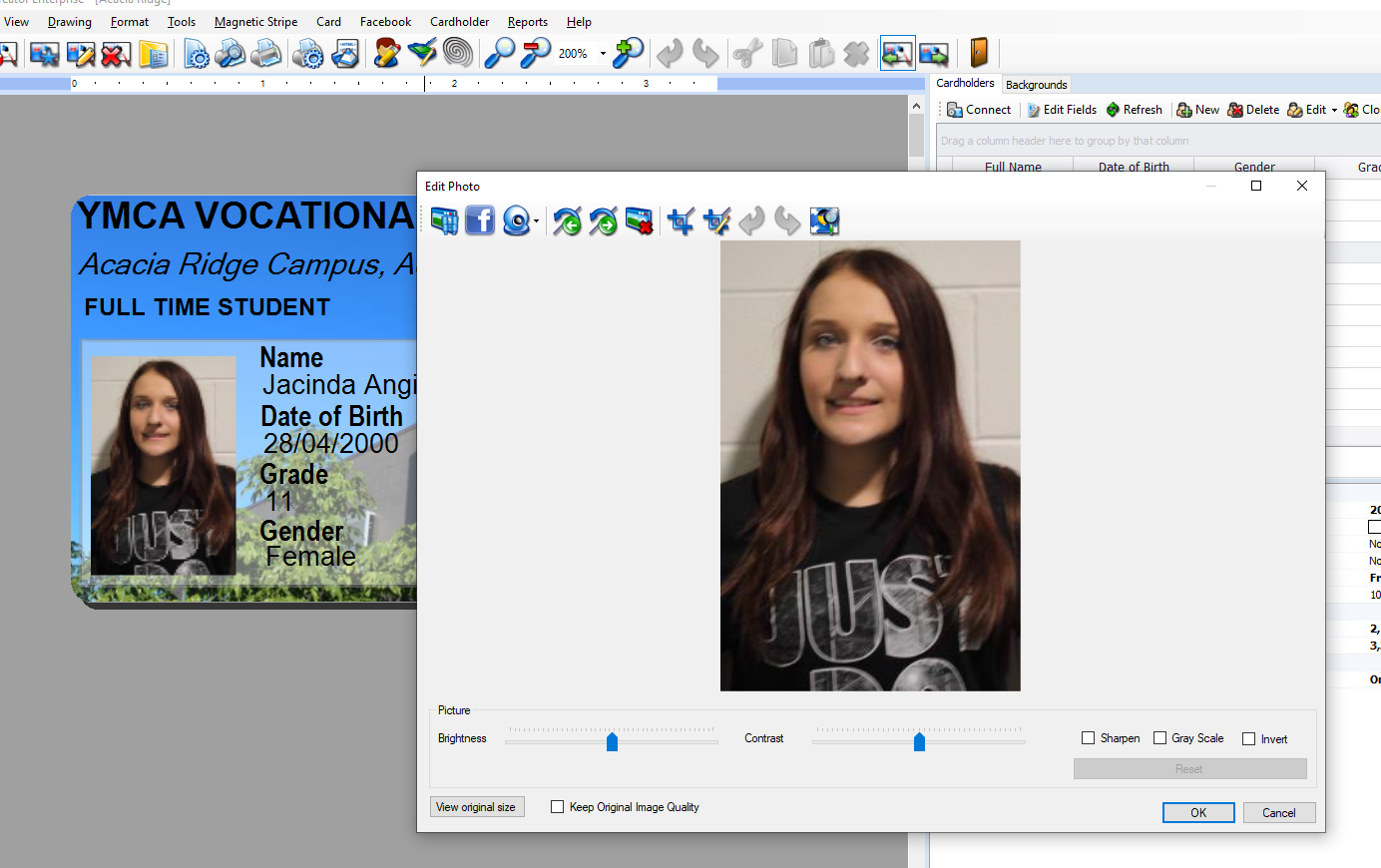
Image Editor
Magnetic Stripe Support
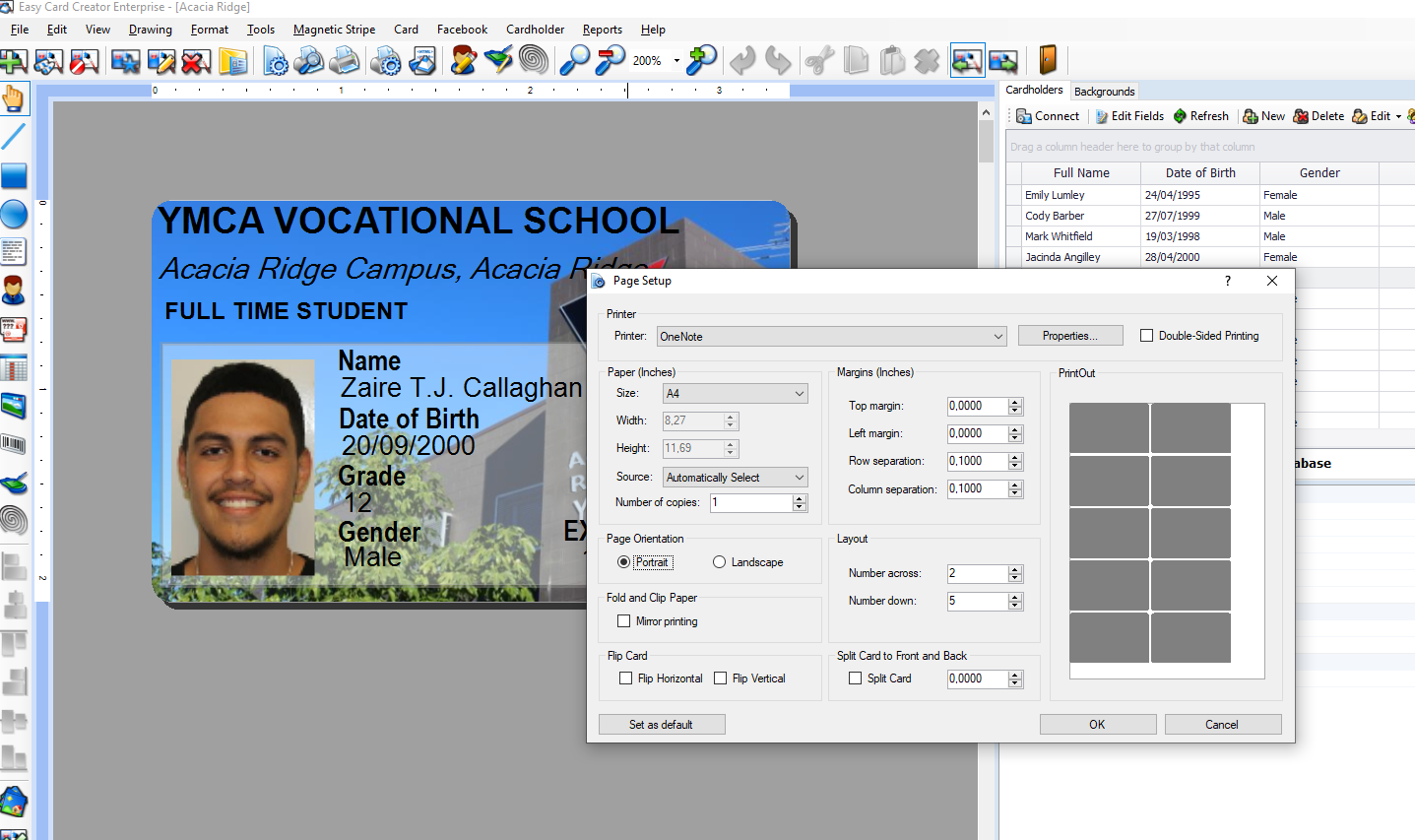
Printing Options
All Printers Support
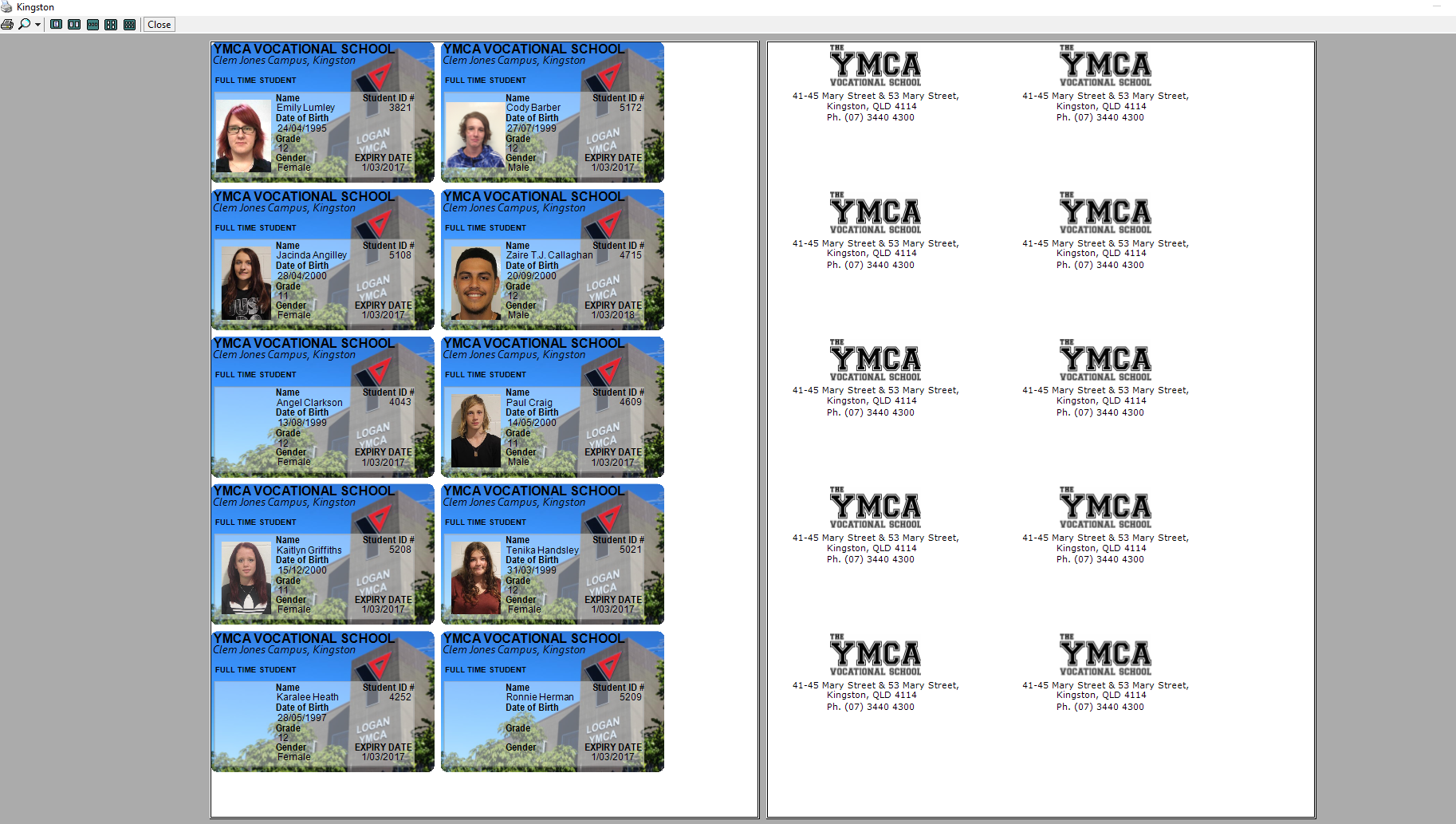
Batch Printing
Fold and Clip Paper Badges Support
Database Features
Different Datatype Support
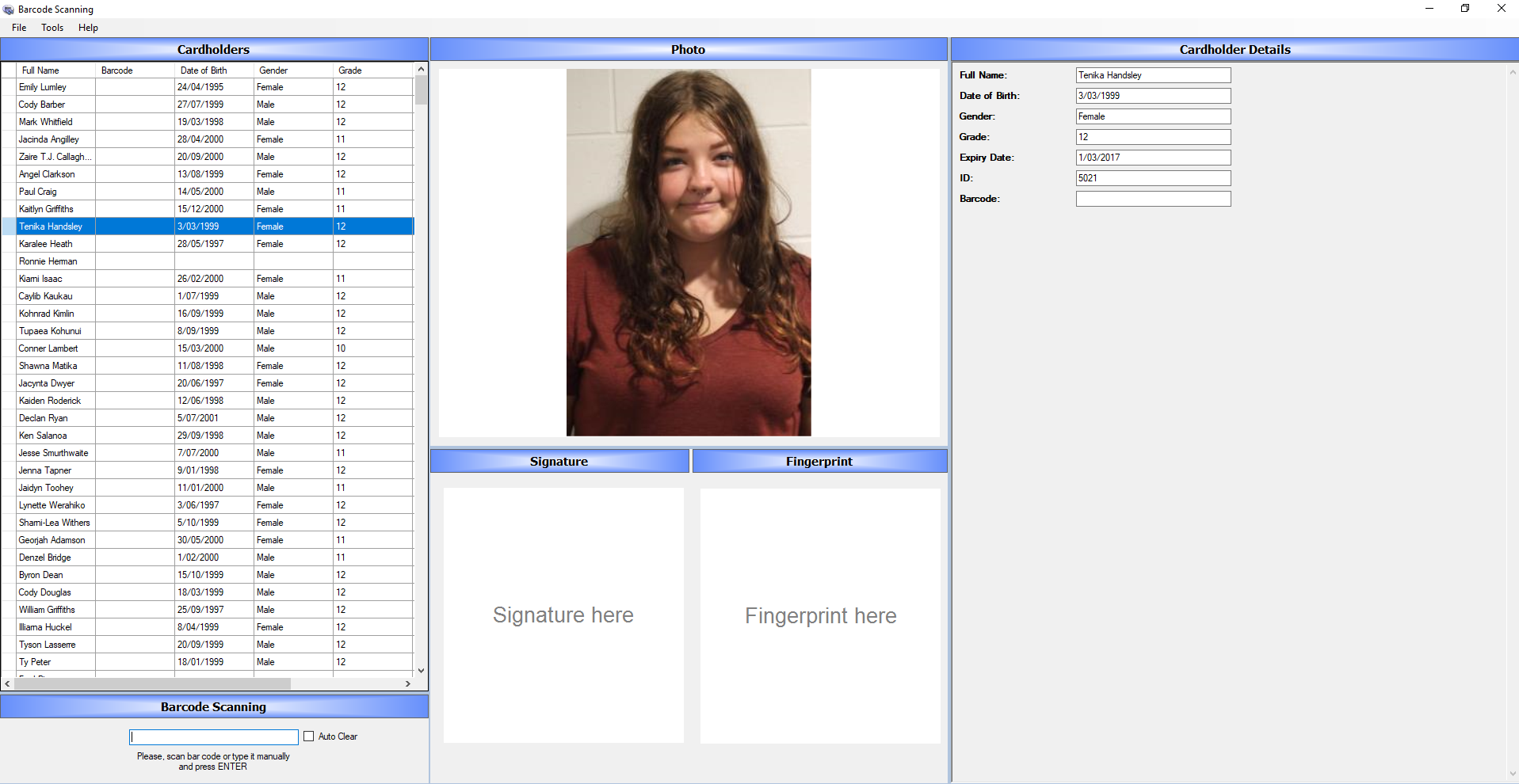
Customizable Fields
Different User Access Levels
Her entry into entertainment content and popular media was not designed by a marketing agency. It was born in WhatsApp forwards, grew in YouTube comment sections, and exploded on Instagram reels. She is a grassroots icon.
In the vast, sprawling ecosystem of Tamil digital content—where influencers vie for attention with dance reels, cooking shows, and tech reviews—there exists a surprisingly poignant archetype that has captured the collective imagination of the diaspora and the home state alike. That archetype is "Tamil School Teacher Radha."
In these narratives, Radha becomes a heroine. She is the one fighting against the erosion of Tamil culture in a globalized world. She uses popular media—memes, short films, TikTok duets—to teach grammar, proverbs ( pazhamozhi ), and ethics. This evolution from a school teacher to a cultural gatekeeper on social media is unprecedented. No media archetype is without its critics. Some modern educators argue that the glorification of Tamil School Teacher Radha also glorifies a toxic, authoritarian pedagogy. They point out that the "flying chalk" and "ear-twisting" tropes normalize physical punishment, which is now illegal and psychologically harmful.
This generation (born 1985-1995) is currently in their 30s and 40s. They are drowning in corporate emails, EMI payments, child-rearing, and the relentless pace of social media. They are exhausted. In this chaos, the image of Radha’s classroom represents a simpler time—a time when the biggest worry was finishing homework or passing a weekly test.
She is not a single actress, nor a specific character from a blockbuster film. Instead, has evolved into a powerful meme, a nostalgic symbol, and a recurring motif in entertainment content and popular media. From YouTube skits to OTT series cameos, from meme pages with millions of followers to brand advertisements targeting millennial Tamils, the image of the stern-yet-caring, sari-clad, chalk-wielding Radha has become a cultural shorthand for a lost era of discipline, care, and analog innocence.
Take the hit series Vadhandhi: The Fable of Velonie or the nostalgic Suzhal: The Vortex . Whenever a flashback to the 1990s occurs, the figure appears. She is the exposition machine—the one who scolds the hero, only to later reveal a clue that solves the mystery.
Furthermore, reality TV has capitalized on this. In shows like Super Singer or Cooku with Comali , celebrity judges often don the "Teacher Radha" costume for comedy skits. The trope is so powerful that even major brands use it. A popular ed-tech app ran an ad featuring a "Modern Radha" who uses a tablet, only to have the actual chalk-wielding Radha from the 90s walk in and correct the student’s grammar. The ad went viral, proving that the character still sells. To understand why Tamil School Teacher Radha dominates entertainment content in 2024-25, we must look at the psychology of the Tamil millennial.
App Screenshots
Tamil School Teacher Radha With Clear — Audio Xxx
Her entry into entertainment content and popular media was not designed by a marketing agency. It was born in WhatsApp forwards, grew in YouTube comment sections, and exploded on Instagram reels. She is a grassroots icon.
In the vast, sprawling ecosystem of Tamil digital content—where influencers vie for attention with dance reels, cooking shows, and tech reviews—there exists a surprisingly poignant archetype that has captured the collective imagination of the diaspora and the home state alike. That archetype is "Tamil School Teacher Radha." Tamil School Teacher Radha with Clear Audio XXX
In these narratives, Radha becomes a heroine. She is the one fighting against the erosion of Tamil culture in a globalized world. She uses popular media—memes, short films, TikTok duets—to teach grammar, proverbs ( pazhamozhi ), and ethics. This evolution from a school teacher to a cultural gatekeeper on social media is unprecedented. No media archetype is without its critics. Some modern educators argue that the glorification of Tamil School Teacher Radha also glorifies a toxic, authoritarian pedagogy. They point out that the "flying chalk" and "ear-twisting" tropes normalize physical punishment, which is now illegal and psychologically harmful. Her entry into entertainment content and popular media
This generation (born 1985-1995) is currently in their 30s and 40s. They are drowning in corporate emails, EMI payments, child-rearing, and the relentless pace of social media. They are exhausted. In this chaos, the image of Radha’s classroom represents a simpler time—a time when the biggest worry was finishing homework or passing a weekly test. In the vast, sprawling ecosystem of Tamil digital
She is not a single actress, nor a specific character from a blockbuster film. Instead, has evolved into a powerful meme, a nostalgic symbol, and a recurring motif in entertainment content and popular media. From YouTube skits to OTT series cameos, from meme pages with millions of followers to brand advertisements targeting millennial Tamils, the image of the stern-yet-caring, sari-clad, chalk-wielding Radha has become a cultural shorthand for a lost era of discipline, care, and analog innocence.
Take the hit series Vadhandhi: The Fable of Velonie or the nostalgic Suzhal: The Vortex . Whenever a flashback to the 1990s occurs, the figure appears. She is the exposition machine—the one who scolds the hero, only to later reveal a clue that solves the mystery.
Furthermore, reality TV has capitalized on this. In shows like Super Singer or Cooku with Comali , celebrity judges often don the "Teacher Radha" costume for comedy skits. The trope is so powerful that even major brands use it. A popular ed-tech app ran an ad featuring a "Modern Radha" who uses a tablet, only to have the actual chalk-wielding Radha from the 90s walk in and correct the student’s grammar. The ad went viral, proving that the character still sells. To understand why Tamil School Teacher Radha dominates entertainment content in 2024-25, we must look at the psychology of the Tamil millennial.
FREE Download
Our new TRIAL FREE DOWNLOAD process enables you to evaluate the installed trial version and then convert it to an unrestricted version by purchasing it and registering your software license. Our ID Software trial includes all the features available in a licensed copy. You will be able to design and print your employee cards, name badges and labels and you will have "TRIAL" printed on all the cards. The trial version will expire 14 days after you install it. Once the trial period is over, you may purchase Easy Card Creator ID Software online.








 Download