Before diving into the specifics of music box soundfonts, it's essential to understand what a soundfont is. A soundfont is a collection of audio samples that can be used to create music or sound effects. These samples are typically recorded from real instruments or created using software synthesizers. Soundfonts are used in digital music production to add texture and authenticity to compositions.
The music box, a delicate mechanical device that plays a mesmerizing melody, has captivated the hearts of many music enthusiasts. Its sweet, gentle sound has been a staple in various forms of media, from films and video games to commercials and advertisements. One of the key elements that bring this enchanting sound to life is the music box soundfont. In this article, we'll delve into the world of music box soundfonts, exploring their creation, applications, and the magic they bring to music production. music box soundfont
The future of music box soundfonts looks bright, with advancements in technology and software allowing for even more realistic and detailed samples. As music production continues to evolve, we can expect to see even more innovative uses of music box soundfonts in various forms of media. Before diving into the specifics of music box
Music box soundfonts are a unique and valuable tool in music production. Their enchanting sound has captivated audiences worldwide, and their applications are vast. Whether used in film, television, video games, or music production, music box soundfonts bring a touch of magic to any composition. By understanding the creation, applications, and tips for using music box soundfonts, musicians and producers can unlock the full potential of this captivating instrument. Soundfonts are used in digital music production to
A music box soundfont is a specialized collection of audio samples specifically designed to replicate the distinctive sound of a music box. These soundfonts typically feature a range of notes, often recorded from a physical music box or created using software that emulates the instrument. The samples are then processed and edited to ensure a seamless playback experience.
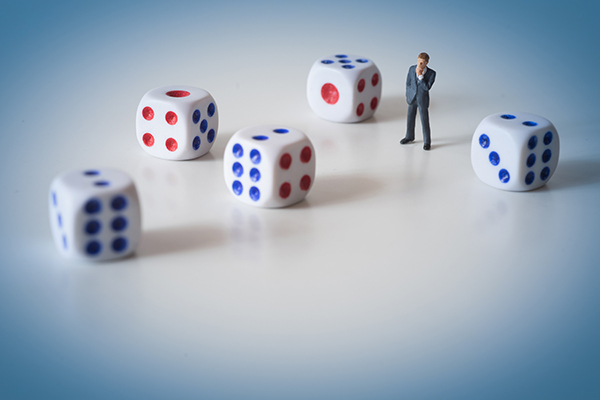
Probability calculations that can be used to inform decisions and manage risk can be very complicated. This unit is designed to help build your foundational understanding of probability and introduce you to some of the techniques that are used to calculate very difficult probabilities. You will continue to work with the Games Fair interactive tool and be exposed to real world situations to start to realize the impact of probability in your world.
The focus of this unit is on Probability Distributions. You will learn how to display all of the outcomes of a probability situation in a table and a bar graph. You will learn some formulas that will work with some situations. A large part of the unit will be calculating the expected value, or average, of a probability situation. The Games Fair Interactive tool will be used throughout the unit and will provide a focus for the summative and lead up to the Culminating Assignment, the Games Fair.
Probability calculations that can be used to inform decisions and manage risk can be very complicated. This unit is designed to help build your foundational understanding of probability and introduce you to some of the techniques that are used to calculate very difficult probabilities. You will continue to work with the Games Fair interactive tool and be exposed to real world situations to start to realize the impact of probability in your world.
After much work to collect valid and reliable information in the form of statistics, you will learn to analyse the statistics to make conclusions that can help make decisions. You will explore one real and two variables statistics using the World Map Interactive tool. A data set used will include a perceived quality of Health Care across Canada. The unit summative will be require you to act as a consultant for a large Canadian franchise to help them make a decision.

In Unit 3 of this course, you demonstrated how to represent the distribution of a discrete random variable. This unit will look at the distribution of continuous random variables and how they are compared to discrete variables. In the third and fourth activity, you will be introduced to what may be the most important mathematical function: the normal distribution.
In this unit, you will consolidate the concepts and skills you have learned throughout this course. You will complete the course culminating activity, through which you will analyze the impacts of energy transformation technologies on society and the environment.