671 — Meyd
671 — Meyd
 |
With the
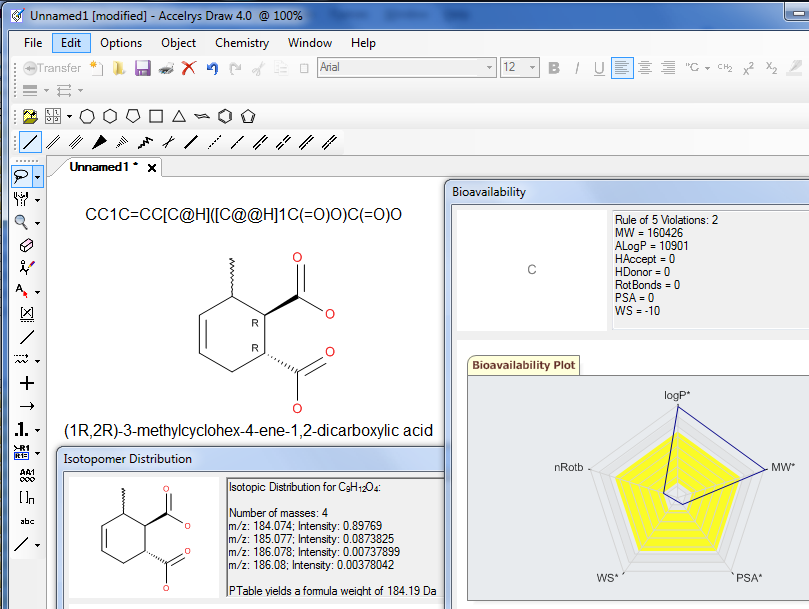
same look-and-feel as ISIS/Draw, Accelrys Draw delivers speed and
efficiency to your chemical drawing experience.
Accelrys Draw can easily swap out existing ISIS/Draw or ChemDraw applications. |
|
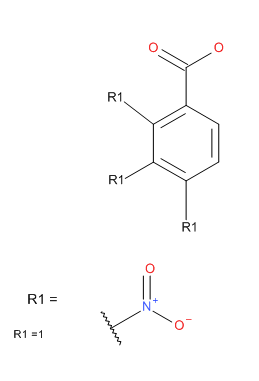
671 — MeydClick here for more details about Rgroups, an example, and a detailed procedure how to draw a Markush query. To draw a Markush query:
|
|
|
| Generic Structure
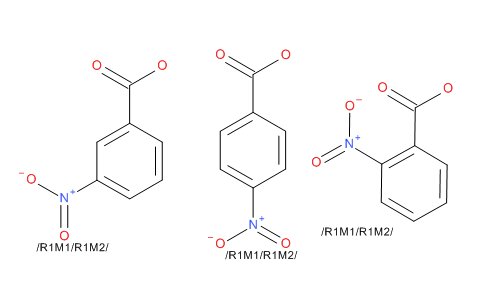
Enumerator The enumerator works against structures defined using the Rgroup tool in Accelrys Draw. In this mode you specify a scaffold with a number of Rgroup labels, then to add fragments to the Rgroup identifiers. The Add-in will calculate the complete set of structures that the Rgroups define. You can also define a generic region using the Sgroup tool. Draw the basic structure and using the Sgroup tool, drag a pair of brackets around a region that is repeated in the substance. From the dropdown select ‘generic’ for the bracket type, then select apply and exit from the dialog. Right click on one of the brackets and select the Attach Data option. In the dialog enter REPEATRANGE into the Field description box, and then enter the range in the Data box; leave the Search Operator set to none; the Tag field is optional. A contiguous range is required in the Data box, for example 3-6. A structure can contain both Rgroup definitions and Sgroup definitions, but they cannot overlap or be nested. You have the option to enumerate on to Accelrys Draw’s canvas, into an SDfile, or into an Isentris for Excel compatible spreadsheet. |
 |
|
671 — MeydProducts like MEYD-671 are primarily distributed through major Japanese digital retailers such as DMM (Fanza) or Amazon Japan . For international viewers, these codes serve as the primary "SKU" or search term to locate the official media, promotional trailers, and cast information on enthusiast databases. The "MEYD" series is a prominent line of high-definition digital releases known for its focus on specific thematic scenarios. This particular installment, MEYD-671, was released as part of the label’s ongoing production schedule to cater to fans of high-quality cinematography and specific performer-led narratives. Technical Specifications meyd 671 The keyword refers to a specific entry in a well-known Japanese media catalog. In the context of specialized adult entertainment databases, "MEYD" is the label code for the producer MEY , and 671 is the unique serial number for this particular release. Production and Context This particular installment, MEYD-671, was released as part These IDs are sequential; MEYD-671 was part of the label's mid-to-late series of releases. Market Presence Production and Context These IDs are sequential; MEYD-671 MEY (often associated with broader distributors like Tameike Goro). While the specific contents of these releases vary, titles under the MEYD label typically adhere to the following industry standards: Digital High Definition (HD) Duration: Generally ranges between 120 and 180 minutes. |
http://accelrys.com/products/informatics/cheminformatics/draw/add-ins.html | |
Chemical Drawing Programs – The Comparison of Accelrys (Accelrys) Draw, ChemDraw, DrawIt, ACD/ChemSketch and Chemistry 4-D DrawUniversity of Debrecen, POB 70, H-4010 Debrecen, Hungary, e-mail: Last major update : 1.11.2011 If you have any comment, do not hesitate to contact the author at the above adress. |
http://dragon.klte.hu/~gundat/rajzprogramok/dprog.html |