Better entertainment content, by contrast, often feels strange at first. It resists easy categorization. It takes its time. It trusts the audience to hold two contradictory emotions at once. This is why word-of-mouth hits like Severance , The Bear , and Pachinko exploded not because they were "more" but because they were different in ways that felt human rather than algorithmic. We cannot demand better entertainment content without defining the term concretely. Based on audience surveys, critical consensus, and emerging industry data, "better" in 2025 revolves around five pillars: 1. Narrative Complexity That Respects Attention Span For years, streaming services assumed viewers wanted simple, secondary-screen-friendly plots. The data now suggests otherwise. Shows with dense mythology, non-linear storytelling, and moral ambiguity consistently rank higher in completion rates and re-watchability. Andor (Disney+) proved that a "Star Wars" show could move at a literary pace, focusing on bureaucratic despair and revolutionary ethics—and it became the franchise’s most critically acclaimed entry. Better content does not mistake slowness for boredom . 2. Authentic Representation, Not Performative Diversity Early 2020s media rushed to check identity boxes without understanding culture. Better content moves from representation as quota to representation as point of view . Reservation Dogs (FX) succeeded not because it featured Indigenous characters, but because it was made by Indigenous creators who understood the specific humor, grief, and land-based spirituality of Muskogee and Seminole communities. Authenticity requires specific cultural knowledge, not just on-screen faces. 3. Emotional Resolution Over Plot Twists Popular media has become addicted to the twist—the shocking death, the mid-credits reveal, the universe-altering retcon. Better content understands that sustainable engagement comes from emotional resolution . The finale of Ted Lasso worked not because of a surprise cameo, but because characters honestly confronted their fears of abandonment and success. Viewers are hungry for stories that leave them feeling resolved , not cliffhung. 4. Visual and Auditory Craft That Uses the Medium Much modern media looks and sounds like grey lighting and temp music. Better content treats image and sound as storytelling tools. The Boy and the Heron (2023) used hand-drawn animation’s imperfections to convey a child’s fragmented grief. The Oppenheimer sound mix deliberately made dialogue unintelligible during tension peaks. Even YouTube creators like Johnny Harris or Defunctland have elevated the short documentary by using custom graphics, intentional pacing, and original scoring. Craft signals respect for the audience. 5. Season Lengths That Fit the Story The streaming industry is slowly unlearning the 8-to-10-episode "prestige box" formula. Better content chooses length based on story needs: Fleishman Is in Trouble worked at 8 episodes; The Last of Us needed 9; Bluey proves a children’s show can tell profound stories in 7 minutes. Arbitrary episode counts, filler arcs, and bloated runtimes are the enemy of better entertainment. Why Audience Demand Is Forcing Change For a decade, platforms believed that more content = more subscriber retention. The economics of the "content arms race" have now collapsed. Netflix, Disney+, Warner Bros. Discovery, and Paramount+ have all cut spending or merged, acknowledging that the library-of-everything model is financially unsustainable.

The sludge is not an accident. It is a byproduct of machine-learning recommendation engines that reward lowest-common-denominator engagement . When an algorithm learns that "more of the same" keeps eyes on screen, it punishes risk, strangeness, silence, and subtlety. The result? Popular media that feels uncannily uniform—television where every character speaks in the same Whedonesque quips, films where the third act is always a CGI light-show, and music where every chorus is built for fifteen seconds of vertical video.

That is how we build better popular media. Not by waiting for a savior, but by becoming savvier audiences, one intentional choice at a time. Final thought: The opposite of "better entertainment content" is not "bad entertainment content." It is "indifferent entertainment content." And indifference, in art, is the only true sin.

This is the era of the gray sludge: Netflix thrillers with indistinguishable cover art. Hulu comedies where every joke lands at the same predictable tempo. YouTube videos structured around the same "hook-hold-hook" pattern. TikTok audio stitched across a million recycled formats.

The next five years will separate platforms and creators who understand this from those who double down on sludge. Early signs are promising: A24 continues to release idiosyncratic films. Substack hosts thousands of serious critics. YouTube’s "essay renaissance" produces works longer and deeper than many documentaries. Podcasts like Heavyweight and Cautionary Tales prove that narrative non-fiction can be as gripping as any thriller.

Metartx240408kellycollinssewmylovexxx Better Direct

Since 2001, scores of our highest achievers and most admired innovators have been awarded the Parnelli. The award recognizes pioneering, influential professionals and their contributions, honoring both individuals and companies. It is truly the “Oscar®” of the Live Event Industry.

Terry Lowe.

About The Parnelli Awards

metartx240408kellycollinssewmylovexxx better

Who Is Parnelli?

Recent News

Metartx240408kellycollinssewmylovexxx Better Direct

Better entertainment content, by contrast, often feels strange at first. It resists easy categorization. It takes its time. It trusts the audience to hold two contradictory emotions at once. This is why word-of-mouth hits like Severance , The Bear , and Pachinko exploded not because they were "more" but because they were different in ways that felt human rather than algorithmic. We cannot demand better entertainment content without defining the term concretely. Based on audience surveys, critical consensus, and emerging industry data, "better" in 2025 revolves around five pillars: 1. Narrative Complexity That Respects Attention Span For years, streaming services assumed viewers wanted simple, secondary-screen-friendly plots. The data now suggests otherwise. Shows with dense mythology, non-linear storytelling, and moral ambiguity consistently rank higher in completion rates and re-watchability. Andor (Disney+) proved that a "Star Wars" show could move at a literary pace, focusing on bureaucratic despair and revolutionary ethics—and it became the franchise’s most critically acclaimed entry. Better content does not mistake slowness for boredom . 2. Authentic Representation, Not Performative Diversity Early 2020s media rushed to check identity boxes without understanding culture. Better content moves from representation as quota to representation as point of view . Reservation Dogs (FX) succeeded not because it featured Indigenous characters, but because it was made by Indigenous creators who understood the specific humor, grief, and land-based spirituality of Muskogee and Seminole communities. Authenticity requires specific cultural knowledge, not just on-screen faces. 3. Emotional Resolution Over Plot Twists Popular media has become addicted to the twist—the shocking death, the mid-credits reveal, the universe-altering retcon. Better content understands that sustainable engagement comes from emotional resolution . The finale of Ted Lasso worked not because of a surprise cameo, but because characters honestly confronted their fears of abandonment and success. Viewers are hungry for stories that leave them feeling resolved , not cliffhung. 4. Visual and Auditory Craft That Uses the Medium Much modern media looks and sounds like grey lighting and temp music. Better content treats image and sound as storytelling tools. The Boy and the Heron (2023) used hand-drawn animation’s imperfections to convey a child’s fragmented grief. The Oppenheimer sound mix deliberately made dialogue unintelligible during tension peaks. Even YouTube creators like Johnny Harris or Defunctland have elevated the short documentary by using custom graphics, intentional pacing, and original scoring. Craft signals respect for the audience. 5. Season Lengths That Fit the Story The streaming industry is slowly unlearning the 8-to-10-episode "prestige box" formula. Better content chooses length based on story needs: Fleishman Is in Trouble worked at 8 episodes; The Last of Us needed 9; Bluey proves a children’s show can tell profound stories in 7 minutes. Arbitrary episode counts, filler arcs, and bloated runtimes are the enemy of better entertainment. Why Audience Demand Is Forcing Change For a decade, platforms believed that more content = more subscriber retention. The economics of the "content arms race" have now collapsed. Netflix, Disney+, Warner Bros. Discovery, and Paramount+ have all cut spending or merged, acknowledging that the library-of-everything model is financially unsustainable.

The sludge is not an accident. It is a byproduct of machine-learning recommendation engines that reward lowest-common-denominator engagement . When an algorithm learns that "more of the same" keeps eyes on screen, it punishes risk, strangeness, silence, and subtlety. The result? Popular media that feels uncannily uniform—television where every character speaks in the same Whedonesque quips, films where the third act is always a CGI light-show, and music where every chorus is built for fifteen seconds of vertical video. metartx240408kellycollinssewmylovexxx better

That is how we build better popular media. Not by waiting for a savior, but by becoming savvier audiences, one intentional choice at a time. Final thought: The opposite of "better entertainment content" is not "bad entertainment content." It is "indifferent entertainment content." And indifference, in art, is the only true sin. It trusts the audience to hold two contradictory

This is the era of the gray sludge: Netflix thrillers with indistinguishable cover art. Hulu comedies where every joke lands at the same predictable tempo. YouTube videos structured around the same "hook-hold-hook" pattern. TikTok audio stitched across a million recycled formats. Based on audience surveys, critical consensus, and emerging

The next five years will separate platforms and creators who understand this from those who double down on sludge. Early signs are promising: A24 continues to release idiosyncratic films. Substack hosts thousands of serious critics. YouTube’s "essay renaissance" produces works longer and deeper than many documentaries. Podcasts like Heavyweight and Cautionary Tales prove that narrative non-fiction can be as gripping as any thriller.

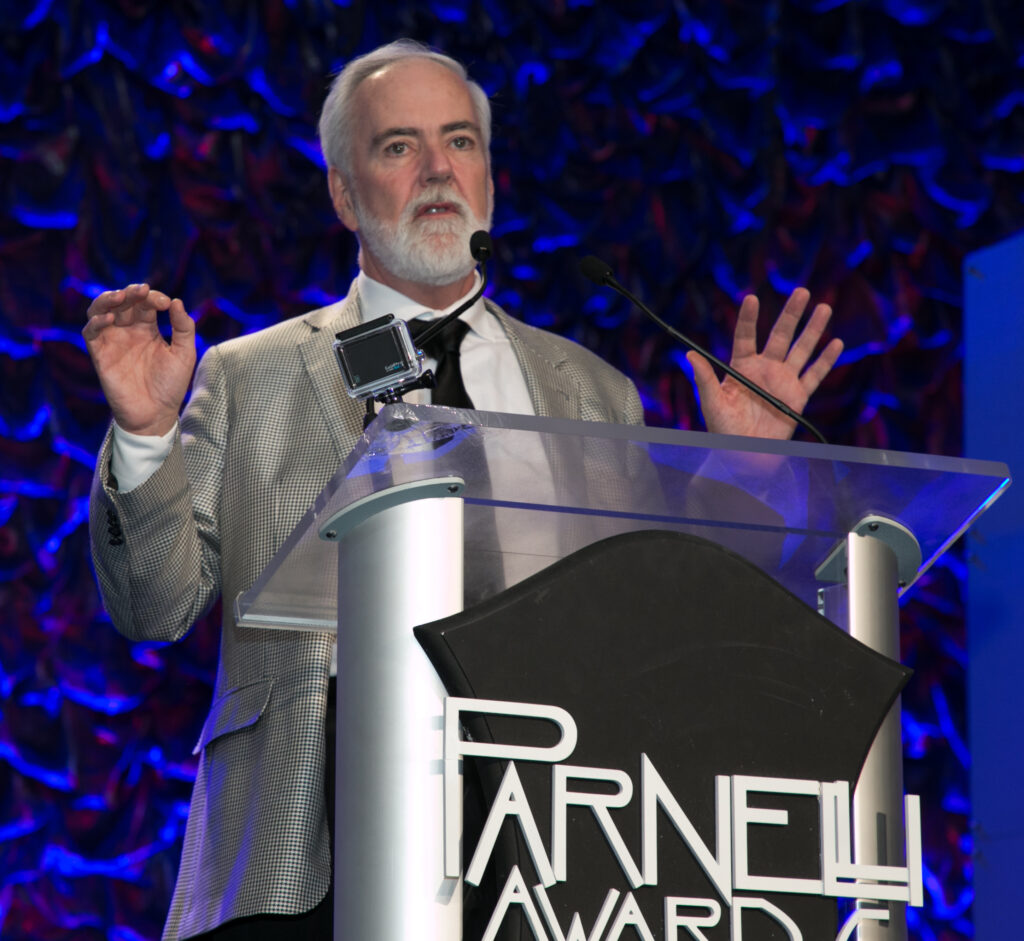
Photos: 23rd Annual Parnelli Awards