Looking for inspiration
Mallu+hot+videos
Malayalam cinema is not merely an industry operating within Kerala; it is a cultural product of Kerala. Conversely, for the past nine decades, it has also been a powerful tool that has moulded, questioned, and redefined what it means to be a Malayali. This article explores the symbiotic, often tumultuous, relationship between the movies of Mollywood and the culture of God’s Own Country. The birth of Malayalam cinema in the 1930s was not a spontaneous creation. It was an extension of the two great pillars of Kerala culture: Sanskritised classical arts (Kathakali, Kutiyattam) and the social reform movement (Navodhana).
These filmmakers zoomed in on the mundane details of Kerala life. Aravindan’s Thambu (1978) explored the dying art of the traveling street performer. Adoor’s Elippathayam (The Rat Trap, 1981) became an international sensation because it perfectly captured the decay of the feudal Nair tharavadu in the face of modernization and land reforms. The protagonist, a lazy, paranoid landlord clinging to an old oil lamp while rats run wild, was a metaphor for an entire class of Keralites unable to adapt to the post-communist world. mallu+hot+videos
To watch a Malayalam film is to take a masterclass in Kerala culture. You will learn how to roll a beedi , how to tie a mundu , how to argue about rent control, how to prepare fish curry, and how to mourn a death. You will see the fierce communism of Kannur, the mercantile Islam of Malappuram, the Syrian Christian reverence of Kottayam, and the capital city dimness of Thiruvananthapuram. Malayalam cinema is not merely an industry operating
Malayalam cinema does not just reflect Kerala; it is the conscience of Kerala. As long as there is a tea shop with a rusty signboard and a group of men discussing politics under a rain tree, there will be a story for Malayalam cinema to tell. And as long as those stories are told with brutal honesty, the culture of Kerala will remain vibrant, complex, and utterly unique in the world. The birth of Malayalam cinema in the 1930s
The first Malayalam talkie, Balan (1938), set the template. While it was a mythological drama on the surface, it tackled the deeply entrenched caste discrimination that plagued Kerala society. This dual identity—entertainment paired with social consciousness—became the industry's DNA.
This era proved a thesis:
In the 1950s and 60s, films like Neelakuyil (The Blue Cuckoo, 1954) broke away from stage-bound melodrama. They went outdoors, capturing the lush, monsoon-drenched landscapes of Kerala not just as a backdrop, but as a character. The culture of ( tharavadu ), the rigid caste hierarchies, and the arrival of communism in the late 1950s found fertile ground on screen. When director Ramu Kariat made Chemmeen (1965), based on a novel by Thakazhi Sivasankara Pillai, he didn't just tell a love story; he captured the maritime culture of the Mukkuvar fishing community—their superstitions, their fear of the sea goddess Kadalamma , and their unique moral code. Part II: The Golden Age – Realism and the Malayali Identity (1970s–1980s) If there is a "Golden Age" of any cinema that rivals the Italian Neorealists or the French New Wave, it is Malayalam cinema of the late 1970s and 1980s. Directors like Adoor Gopalakrishnan, G. Aravindan, and John Abraham, along with scriptwriters like M. T. Vasudevan Nair, rejected the bombastic Hindi film formula.

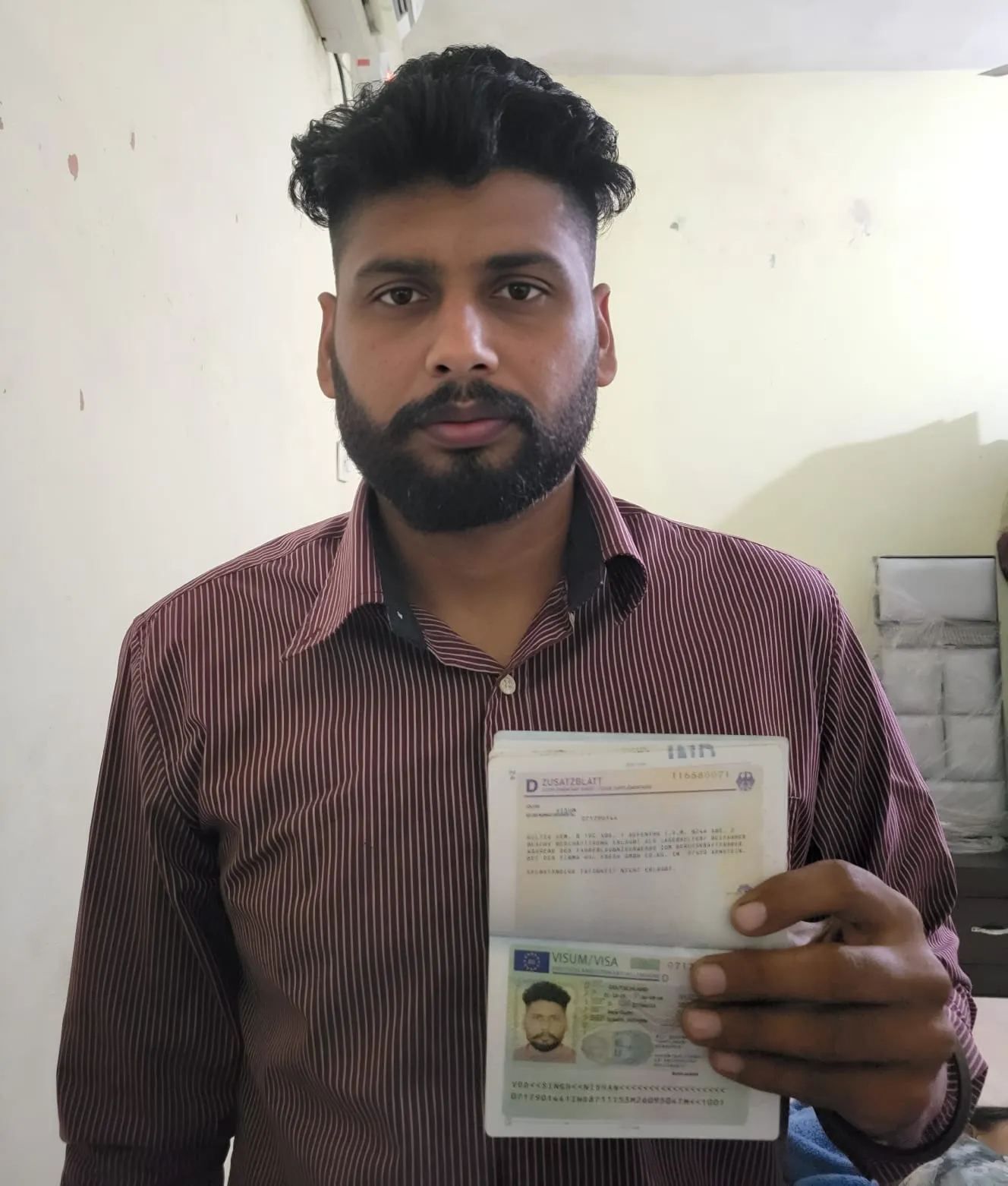


At AtoZ Serwis Plus, we help you become a global citizen with trusted support for jobs abroad, overseas education, and visa processing tailored to your goals.
Read More
1000+Visa Success

1M+ Guided

Experts

Offices

Online Services
Our Solutions
Connecting employers, job seekers, students, and agencies across Europe and beyond.

Register as an Employer Partner!
Looking to hire skilled or semi-skilled workers from Asia, Africa, the CIS, or EU countries? AtoZ Serwis Plus supports your recruitment needs for Poland, Germany, Slovakia, Hungary, Lithuania, Estonia, and beyond. We deliver comprehensive legal recruitment services, visa support, and seamless onboarding solutions tailored to your business goals. Partner with us to build a reliable, compliant, and efficient workforce.
Employer
Job Seekers Registration!
Looking to hire skilled or semi-skilled workers from Asia, Africa, the CIS, or EU countries? AtoZ Serwis Plus supports your recruitment needs for Poland, Germany, Slovakia, Hungary, Lithuania, Estonia, and beyond. We deliver comprehensive legal recruitment services, visa support, and seamless onboarding solutions tailored to your business goals. Partner with us to build a reliable, compliant, and efficient workforce.
Job Seekers
Register as a Recruitment Partner!
Are you a recruiter looking to place workers in Poland, Germany, Slovakia, or other EU destinations? AtoZ Serwis Plus provides you with trusted employer connections, legal recruitment solutions, verified job placements, and full visa assistance. Expand your recruitment business with confidence, supported by clear processes, reliable documentation, and transparent migration services.
RecruiterDo you have any questions?
Looking to work and live in Europe? At AtoZ Serwis Plus, we’re here to guide you every step of the way. Our experts provide support with job search assistance, work visa applications, qualification recognition, and European language learning. To connect with us and get started on your European journey, click one of the contact icons below.






