 Více o aplikaci
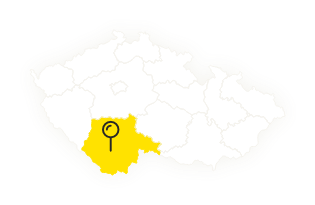
Obec Jankov
Jankov 46
373 84 p. Dubné
IČ: 00245020
DIČ: CZ00245020
A small sticker on the front window or by the doorbell that says "24/7 Video Recording in Progress" serves two purposes: it deters crime and it provides legal notice of recording, which is essential in two-party consent states for audio.
Until courts decide, the ethical homeowner should avoid facial recognition features. General motion alerts and person detection are sufficient. Tagging specific humans by identity outside your immediate family crosses a clear ethical threshold. The philosopher Jeremy Bentham imagined the Panopticon—a prison design where a central tower watches all cells, but inmates never know if they are being watched at that moment. The power is in the possibility of observation. Today, we are voluntarily building Panopticons on our own front porches. kerala aunties hidden camera sex
This article explores the dual nature of home security camera systems. We will dissect the technology, the legal landscape, the ethical dilemmas, and most importantly, the practical steps you can take to secure your home without becoming a surveillance nightmare for your neighbors or a data goldmine for hackers. To understand the privacy conflict, we must first acknowledge why these systems are so popular. The pitch is compelling: real-time alerts, video verification for insurance claims, remote monitoring while on vacation, and the psychological deterrent of a visible camera. A small sticker on the front window or
The problem is that while you may consent to your camera knowing your face, your neighbor has not consented. When a camera identifies a person as "John Doe, 3 doors down, left at 7:14 PM," it creates a searchable database of human movement. Tagging specific humans by identity outside your immediate
When you buy a cloud-based camera, you are not buying a tool. You are leasing access to a service, and the manufacturer holds the master key. 3. The Audio Oversight Privacy laws vary wildly regarding video, but audio is a legal minefield. Many home cameras are constantly listening via voice assistants or two-way talk features. In many jurisdictions, recording a conversation without the consent of at least one party (or all parties, depending on the state) is a felony.
A small sticker on the front window or by the doorbell that says "24/7 Video Recording in Progress" serves two purposes: it deters crime and it provides legal notice of recording, which is essential in two-party consent states for audio.
Until courts decide, the ethical homeowner should avoid facial recognition features. General motion alerts and person detection are sufficient. Tagging specific humans by identity outside your immediate family crosses a clear ethical threshold. The philosopher Jeremy Bentham imagined the Panopticon—a prison design where a central tower watches all cells, but inmates never know if they are being watched at that moment. The power is in the possibility of observation. Today, we are voluntarily building Panopticons on our own front porches.
This article explores the dual nature of home security camera systems. We will dissect the technology, the legal landscape, the ethical dilemmas, and most importantly, the practical steps you can take to secure your home without becoming a surveillance nightmare for your neighbors or a data goldmine for hackers. To understand the privacy conflict, we must first acknowledge why these systems are so popular. The pitch is compelling: real-time alerts, video verification for insurance claims, remote monitoring while on vacation, and the psychological deterrent of a visible camera.
The problem is that while you may consent to your camera knowing your face, your neighbor has not consented. When a camera identifies a person as "John Doe, 3 doors down, left at 7:14 PM," it creates a searchable database of human movement.
When you buy a cloud-based camera, you are not buying a tool. You are leasing access to a service, and the manufacturer holds the master key. 3. The Audio Oversight Privacy laws vary wildly regarding video, but audio is a legal minefield. Many home cameras are constantly listening via voice assistants or two-way talk features. In many jurisdictions, recording a conversation without the consent of at least one party (or all parties, depending on the state) is a felony.