Hindi | Xxx Desi Mms Repack
In a high-speed world, the Chai Wallah teaches us the lost art of the pause. Indian lifestyle is not about efficiency; it is about endurance. The story here is one of connection—how a 10-rupee cup of tea breaks the barriers of class, language, and religion. The Grandmother’s Chest: The Legacy of Textiles and Heirlooms Every Indian household has a secret: a steel trunk (the sandook ) that smells of naphthalene balls and old sandalwood. Inside lies the fabric of life itself.
In the West, marriage is the climax of a romance. In India, it is the launch of a supply chain. The wedding feeds the tailor, the goldsmith, the flower farmer, the DJ, and the 500 distant relatives who travel for three days by train. It is an act of redistribution—savings turned into memories, turned into social capital. The Afternoon Aarti: The Sacred in the Secular At exactly 12:00 PM in a tiny temple tucked inside a Delhi office complex, a secretary stops typing. She washes her hands, lights a small cotton wick dipped in ghee (clarified butter), and circles it around a small marble idol three times. She rings a bell. Then she goes back to her Excel sheet. hindi xxx desi mms repack
Indian lifestyle is cyclical, not linear. You do not merely "move on" from grief; you set a chair for it at the dinner table. This integration of ancestors into daily life creates a psychological safety net—you are never truly alone. The Village Timekeeper: The Bullock Cart and the Smartphone Drive six hours from Delhi, and the 5G signal dies. Here, the timekeeper is not a digital clock but the angle of the sun and the sound of the shehnai (woodwind instrument). In a high-speed world, the Chai Wallah teaches
Sustainability is not a new trend for India; it is a forgotten habit. The Indian story is one of Jugaad —a creative, frugal way of fixing and reusing. A torn dupatta becomes a toddler’s blanket. A rusty trunk becomes a side table. The culture respects the object because the object holds a memory. The Festival of the Dead (Pitru Paksha): Confronting Mortality with Joy Western lifestyles often hide death in funeral homes. In India, death lives in the kitchen. The Grandmother’s Chest: The Legacy of Textiles and
When we think of India, the mind often leaps to a kaleidoscope of clichés: the soulful strum of a sitar, the heady aroma of cardamom and cloves, or the silent grace of a yogi at sunrise. But the true essence of Indian lifestyle and culture is not found in postcards or documentaries. It lives in the cracks of its chaotic cities, the silence of its snow-capped villages, and the endless, patient stories passed down through generations.
That is the Indian lifestyle. It is not a culture of answers. It is a culture of narratives—messy, loud, fragrant, and infinitely forgiving. Don’t just read about it; go sit on a broken plastic chair, drink the chai, and ask the wallah, "Aur kya haal hai?" (What’s the news?)
Because in India, everyone has a story. And every story is just beginning.
管理人紹介
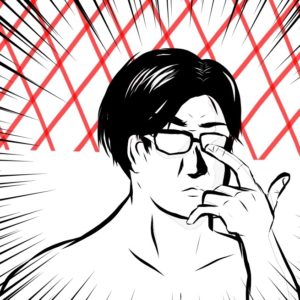
名前:まよねーず
1983年千葉県出身、北海道在住。
根っからのゲーム中毒で、ゲームがないと3日も生きられない残念な奴。
詳しいプロフィールはこちら
▼Twitterはじめました
Follow @Metroidvanian1
フォローしていただける優しい方、
爆速でフォローバックさせていただきます!
▼スキあらばGAMEのメンバーとしても活動させてもらっています
スキあらばGAME
最近のコメント