











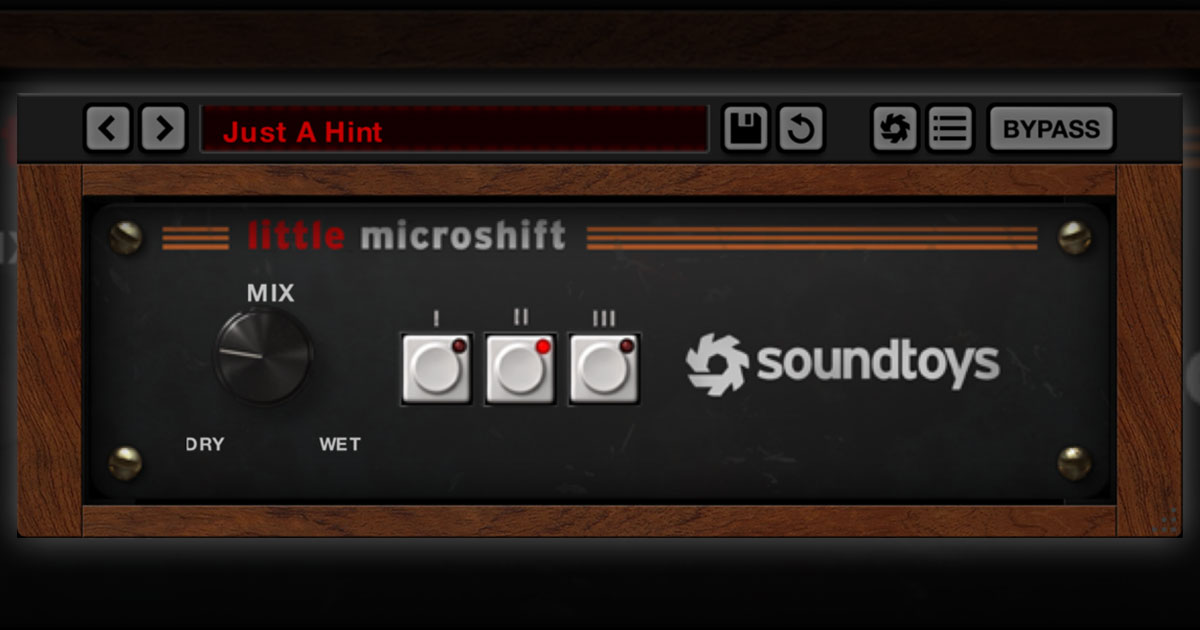
 【期間限定無料】Soundtoys「Little MicroShift」ボーカル、ギター、パーカッションなど様々なトラックのワイド感を広げるステレオイメージャー系プラグイン
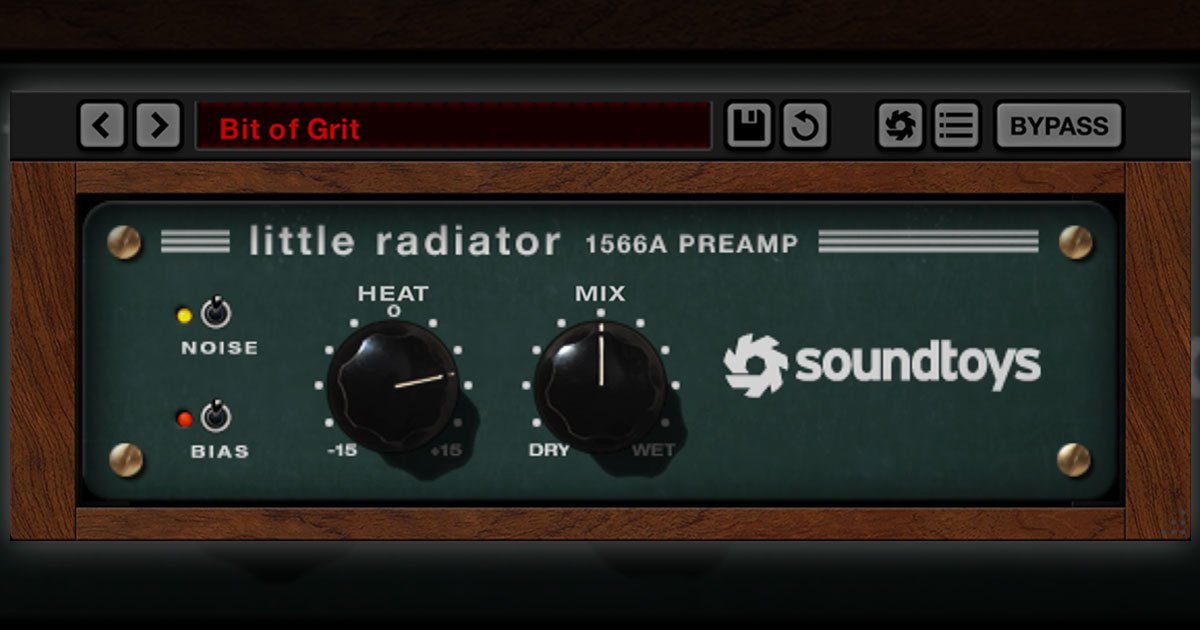
- Soundtoys「Little Radiator」Altec 1566A真空管プリアンプをモデリングし、心地よい歪み感・温かみを加えられるサチュレータープラグイン
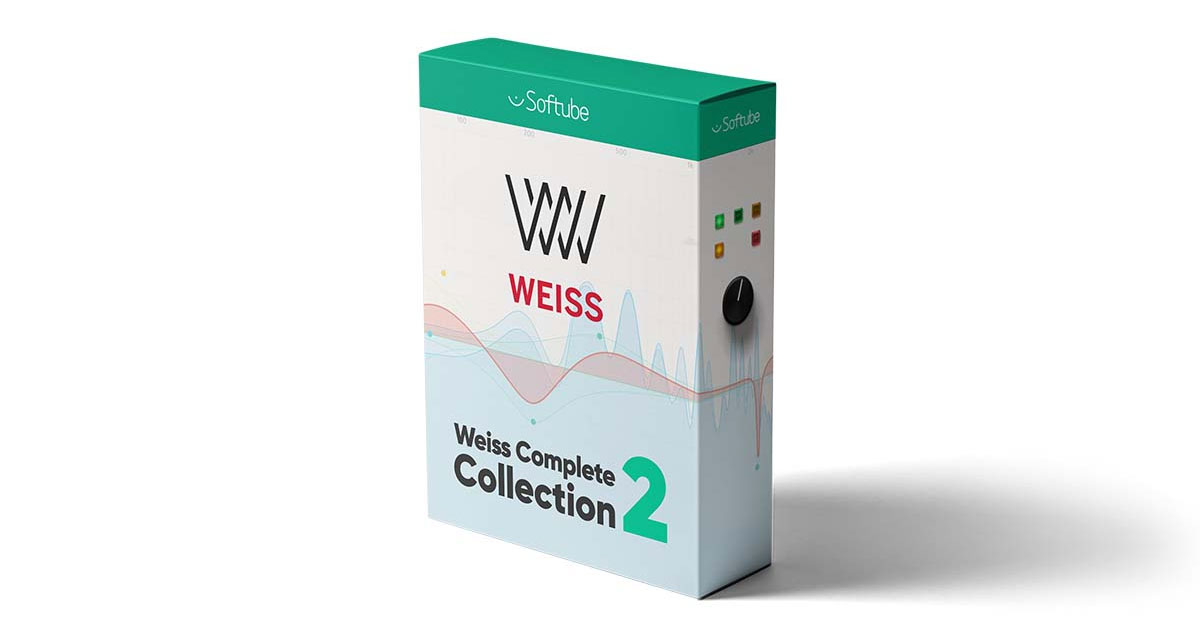
- 【30%OFF】Softube「Weiss Complete Collection 2」スイスのオーディオメーカー・Weissとタッグを組んで制作されたプラグイン7製品バンドル(年末年始セール12月21日まで)
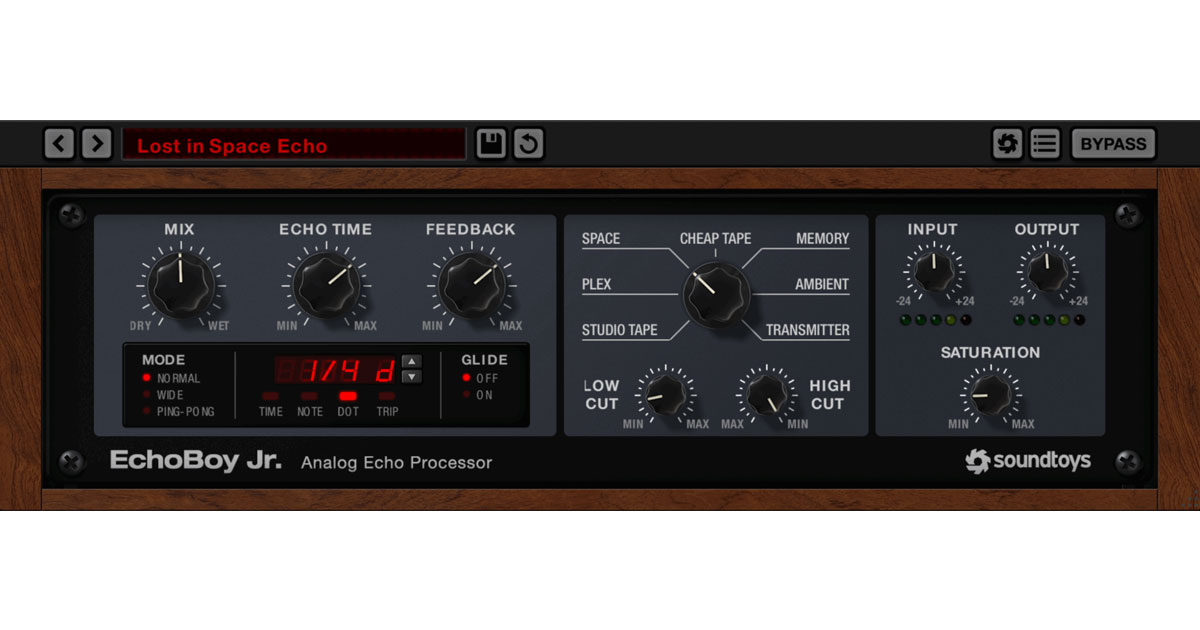
- Soundtoys「EchoBoy Jr」時代を象徴する7つのエコーサウンドを再現するエコーエフェクトプラグイン
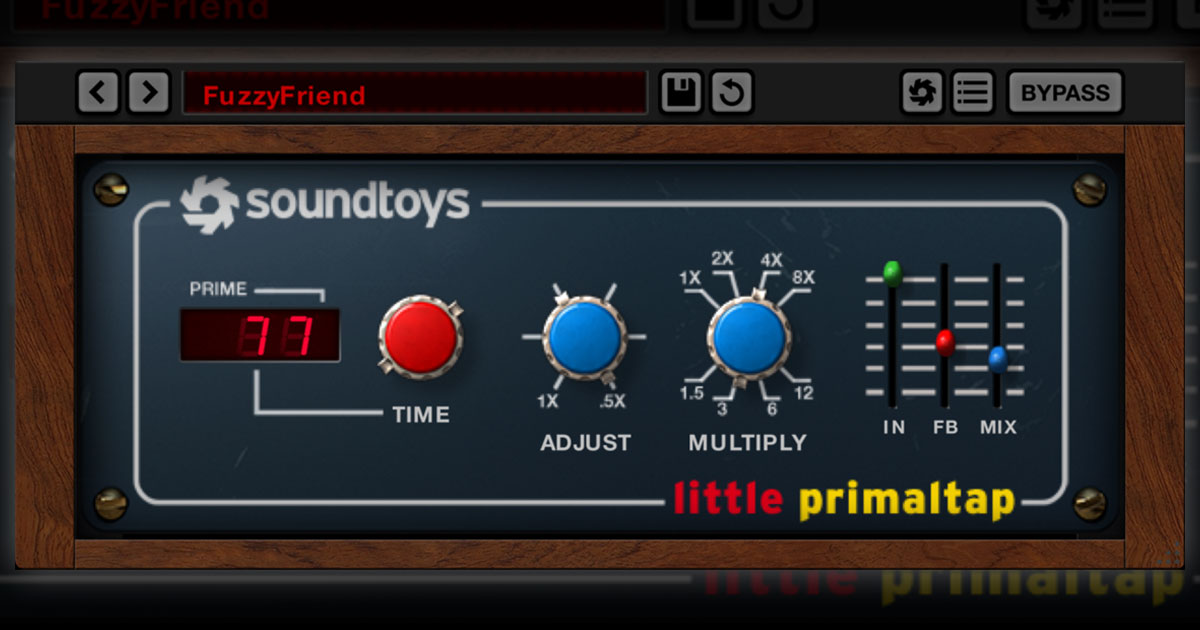
- Soundtoys「Little PrimalTap」1978年に発表されたヴィンテージディレイの銘機「Prime Time」にインスピレーションを受け制作されたディレイプラグイン(簡易版)




ダウハック
DAW・ソフトシンセ・MIXプラグインなど主にDTM関連の製品情報やセール情報をご紹介しています!
Hd Shkd849 This Woman Impudent From Rape By Better -
The bond between is the most sacred contract in advocacy. When done poorly, it exploits. When done ethically, it heals the storyteller, enlightens the audience, and changes the world—one story at a time.
When designing campaigns, organizations face three major ethical pitfalls:
We already see AI-generated testimonials where a digital avatar speaks for a survivor to protect their identity. While potentially useful, this raises questions: Can a generated voice convey real pain? Will audiences trust a story they know was produced by a machine? hd shkd849 this woman impudent from rape by better
They then pivoted to a video campaign featuring "Elena," a 34-year-old stage 2 breast cancer survivor. The video did not show chemotherapy. Instead, it showed Elena dancing in her kitchen, off-beat, laughing. She explained, "I found the lump the day after my daughter’s birthday. I almost ignored it because I was too busy to be sick."
Not every survivor is ready to show their face. Audio-only testimonials, silhouette interviews, or written essays (by ghostwriter) allow those in vulnerable legal or familial situations to contribute without risking their safety. The bond between is the most sacred contract in advocacy
A story without a next step is just voyeurism. If a survivor shares their struggle with suicidal ideation, the campaign must immediately provide a crisis hotline. If they share a story of medical malpractice, the campaign must direct viewers to a legal aid or regulatory body. The Impact on the Survivors Themselves We often discuss how stories affect the audience, but rarely how telling the story affects the survivor. According to Dr. James Pennebaker’s research on "expressive writing," structured narrative disclosure can lead to improved immune function and reduced doctor visits. However, this is only true when the survivor feels heard and validated .
Furthermore, "deepfake" technology makes it plausible for bad actors to fabricate survivor stories entirely. This forces legitimate campaigns to invest in verification tools—blockchain timestamps, third-party authentication—to prove that their survivor storytellers are real. They then pivoted to a video campaign featuring
But why are these narratives so effective? And how can organizations harness the power of survivor stories without exploiting the very people they aim to help? This article explores the delicate alchemy between lived experience and public education, offering a roadmap for ethical, impactful advocacy. To understand why survivor stories are the gold standard of awareness campaigns, we must first look at the human brain. Psychologists have long known that the brain is not wired to process raw numbers. This phenomenon, often called "psychic numbing," suggests that while we weep for a single refugee child, we become desensitized to the suffering of millions.
目次